Beyond the Bridge: The True Anatomy of Phygital Art
In today’s art landscape, the boundary between digital space and physical form is being redefined. This article outlines a clear framework for creation as a complete transformative cycle: a process in which an invisible idea is developed in the virtual realm, fabricated through digital systems, and realized as an interactive physical sculpture. Through this approach, Swiss digital artist and sculptor Ivo Meier presents a model in which digital assets and material presence converge to create dialogue among collectors, curators, and institutions.
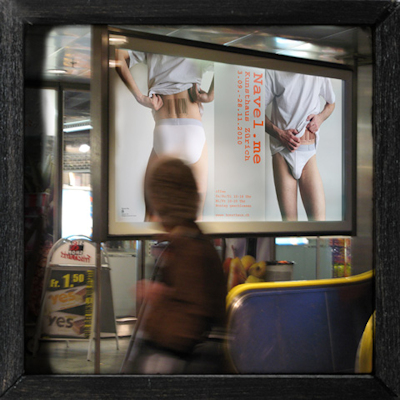
In 2009, long before automated content algorithms dominated our daily interactions, my project Navel.me was launched as a conceptual art experiment analyzing online trust and digital bluffing—a first attempt to map our physical reality into the digital expanse.
Today, the connection between both spaces is too often reduced to a mere administrative link, such as attaching a digital receipt to a physical object. True art across these realms is a deliberate workflow traveling from the mind, into the virtual ether, through digital fabrication systems, into the hands, and ultimately back to the network ledger.
Digital Gestation
The creative process begins with an initial vision exploring the complexities of human existence—the friction of our inner battles, the resilience required to navigate change, or the quiet, profound weight of leadership.
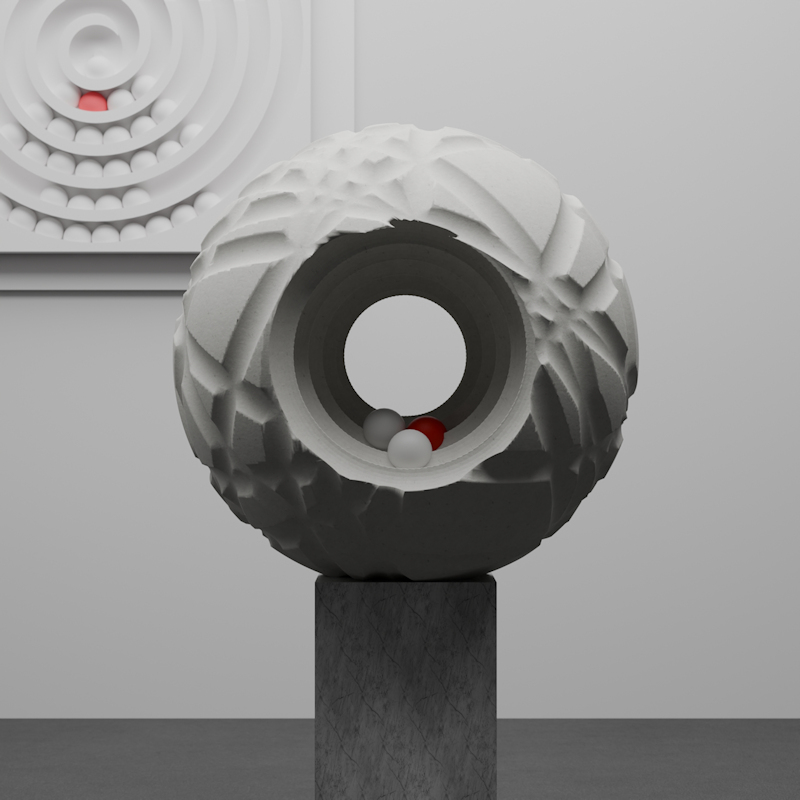
The first steps of execution are taken in a virtual workspace that functions as an environmental simulator. Here, the concept is systematically constructed and coded through a combination of traditional sketching, virtual sculpting, and algorithmic scripting.
This workspace allows me to simulate physical variables by mapping virtual light sources, predicting the exact fallback of shadows, and evaluating how the dimensional form will interact with its future architectural context. The creation matures into a standalone digital art piece, possessing its own unique aesthetic validity and structural data truth.
Materialization
The virtual execution is not the final destination; it is the structural blueprint. The code and the three-dimensional meshes act as the structural DNA for a sculpture destined to occupy physical reality.
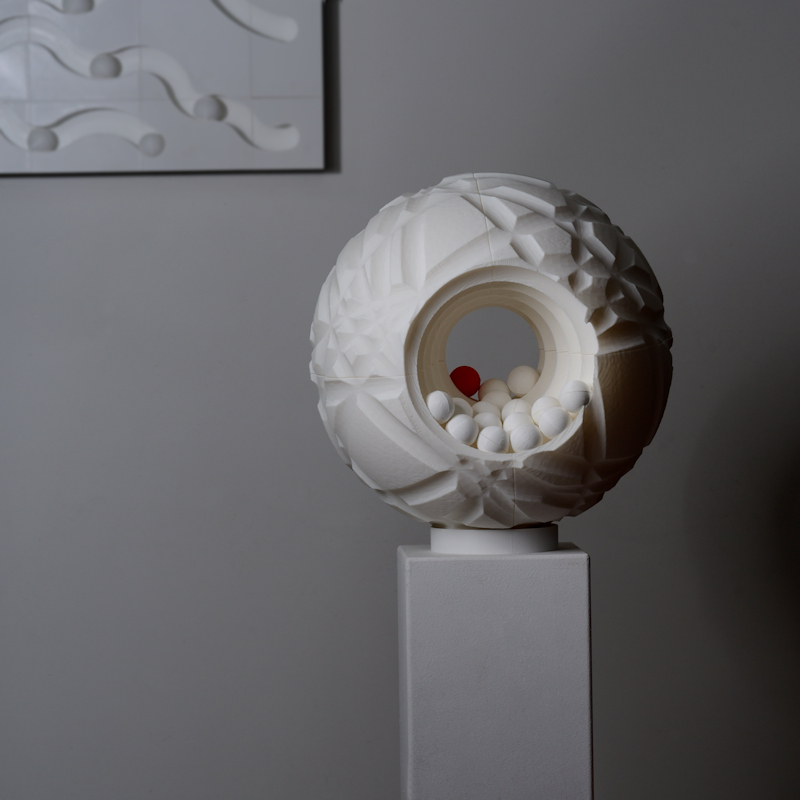
The critical transition occurs when this digital data set crosses the threshold into our physical environment. Materialized through precision fabrication techniques and combined with tangible, raw mediums, it brings virtual calculations into a permanent form you can physically touch.
Standing before the artwork provides a grounding, tactile space to contemplate what it means to drive change and lead in an era defined by fleeting digital interactions. The resulting sculpture shifts from data into a stable, physical anchor for dialogue.
Interaction
Ultimately, my sculptures in the real world add interactivity. The creative loop does not end when an object takes physical form; the complete conceptual activation occurs when the audience steps into direct physical dialogue with the work.
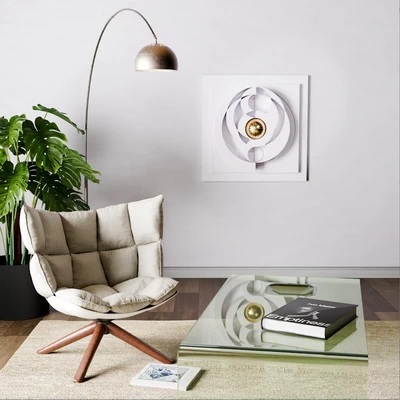
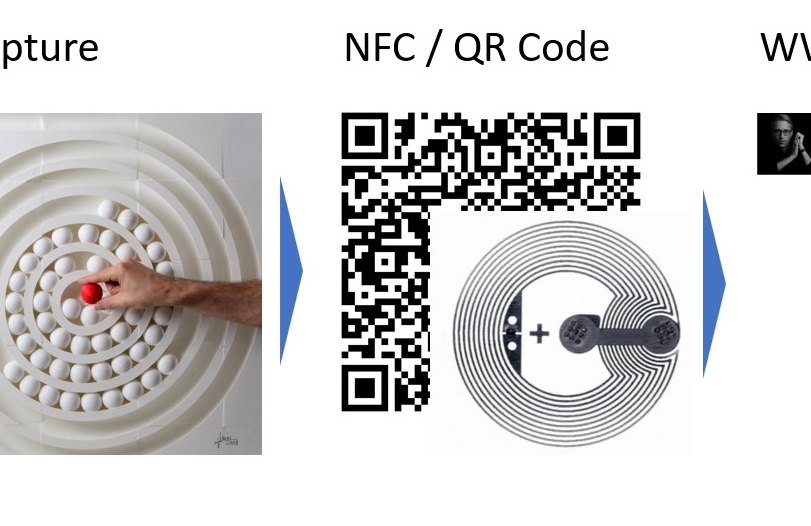
For instance, in the Sphere of Life series, when a viewer manually realigns the internal components, the sculpture's physical balance and visual transparency alter instantly. This physical engagement shifts their interpretation from a static puzzle into an active, unfolding dialogue on personal control, inner balance, and the fluid nature of leadership.
By touching and shifting the elements, the collector does not simply observe an object; they actively drive its transformation, translating bits and bytes in the virtual world into a living human experience.
Provenance
The definitive essence of this workflow is a 360-degree loop. Once the physical piece is actualized, it is mathematically linked back to its digital origin through a precise blockchain entry powered by my own custom cryptocurrency (SCULPT). It allows a verifiable on‑chain certificate that pairs each physical sculpture with its immutable digital origin, ensuring provenance, transferability, and lasting collector confidence.
This registration functions as a decentralized, tamper-proof ledger. By anchoring a cryptographic hash of the sculpture’s original digital file alongside its physical verification metrics, it secures unalterable provenance and transparent ownership records that remain bound to the artwork across the global market.
This completes the conceptual circle: an idea that explores the virtual realm, survives its transition into physical matter, and returns to the digital network perfectly whole.
References
- Sotheby's Institute of Art — Phygital Art: The Art World’s Digital Shift
- The Cultural Review — What is Phygital Art? Blending Physical and Digital Experiences (Author: Matteo Ricci)
- Studio Lab Publication — Revisited: Digital Trends challenging the art market
- Project Archive — The 2009 Art Experiment That Predicted the "Fake News" Era (Navel.me)